Hot Ceiling Cleaning Drones: How They Function & Why
Hot Ceiling Cleaning Drones: How They Function & Why
Blog Article
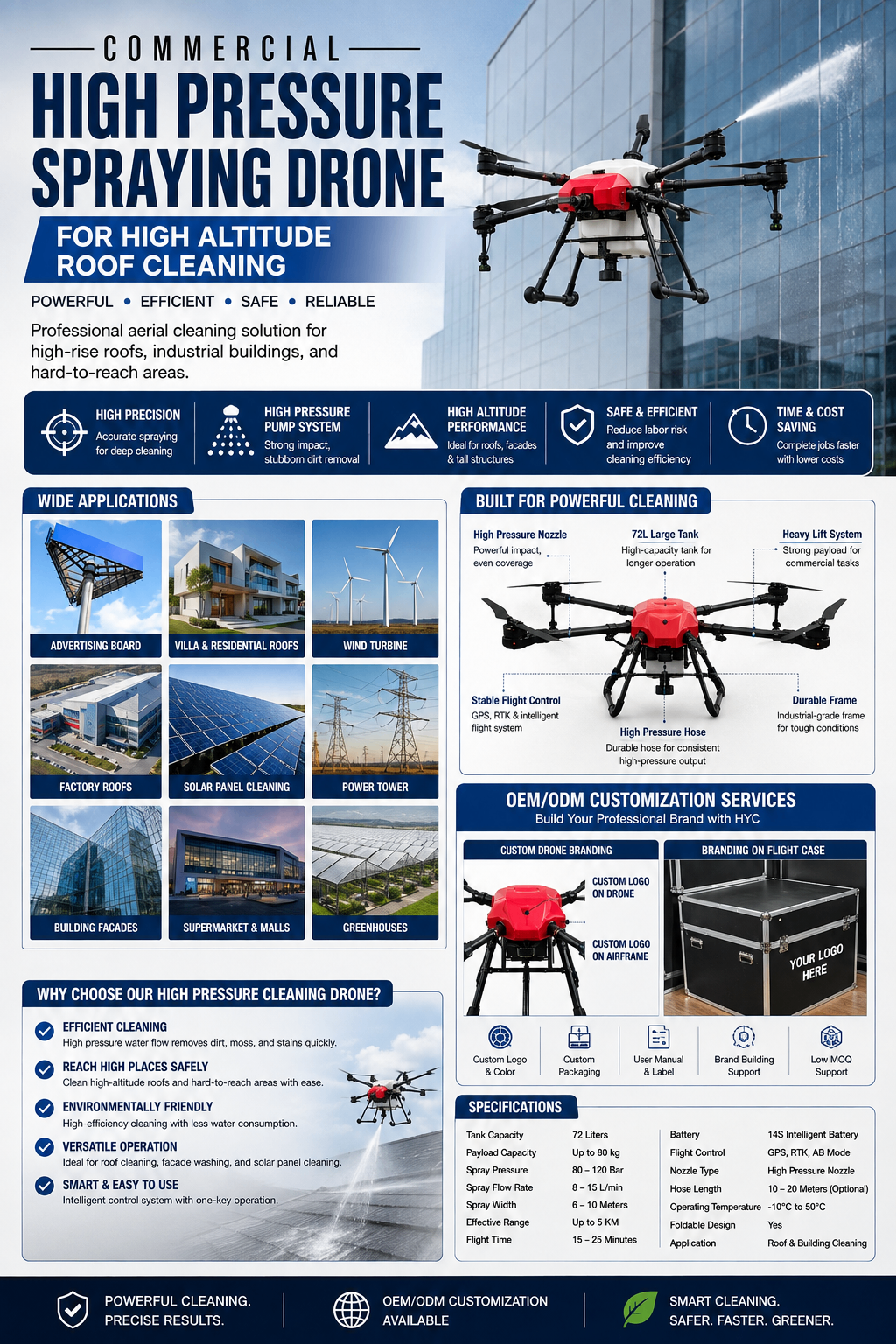
These innovative technologies use remotely operated drones equipped with high-powered high-pressure washing nozzles. Typically, a water reservoir is mounted on the drone itself or connected via a flexible hose to a ground-based pump. The machine then delivers a precise blast of water at varying pressures – often between 500 and 1500 PSI – to clean off growth, lichen, and other unsightly debris from roofs. The primary benefit is the enhanced safety for teams as it minimizes or completely negates the need for precarious ladder climbs; furthermore, these drones can reach difficult-to-access areas on larger structures, offering a more effective and potentially budget-friendly cleaning solution compared to traditional methods. They are particularly valuable for large buildings and properties with steep or complex roof designs.
Top Aerial Platforms for Roof Cleaning: Features and Comparisons
Selecting the right drone for roof cleaning demands meticulous consideration. Several options exist, each with its own set of advantages and limitations. Key features to evaluate include copyright – aim for at least 20 minutes per battery – payload capacity, as you'll likely need to carry a water tank or cleaning solution reservoir, and obstacle avoidance High pressure drone roof washing technology systems for safer operation near eaves and chimneys. Powerful motors are crucial for handling the added weight. Here’s a quick look at leading contenders: The DJI Matrice series, while expensive, offers professional-grade stability and payload capabilities; Autel Robotics drones provide good value with impressive camera quality and intelligent flight modes; and less costly alternatives such as those from PowerWashr or similar brands are designed specifically for cleaning applications. Consider factors like ease of use, maintenance costs, and the availability of replacement parts before making your final decision.
- copyright: Improved battery life is a key factor .
- Payload Capacity: Must support cleaning solution weight .
- Obstacle Avoidance: Crucial for preventing damage.
- Motor Type: Brushless for optimal power.
Professional Drone Roof Cleaning Services – A Comprehensive Guide
Maintaining a spotless roof is vital for your home's appearance and structural integrity, but traditional cleaning methods can be dangerous . Luckily , professional drone roof cleaning services offer a modern alternative. These expert technicians utilize unmanned aerial vehicles (drones) to thoroughly inspect and clean your roofing, removing algae and other unsightly buildup without the need for ladders or physical access. This cutting-edge approach not only improves curb appeal but can also extend the life of your roof by preventing damage caused by trapped moisture and organic growth. Explore hiring a reputable drone roof cleaning company for a hassle-free and effective solution to maintaining a beautiful, healthy roof.
Unlocking Secure & Productive Roof Cleaning with Powerful Flying Robots
Traditional roof cleaning is a dangerous and time-consuming process, often involving scaffolding or manual labor. However, a innovative solution has emerged: high-pressure drone technology. These unmanned aerial vehicles provide a safer and more efficient way to remove moss , debris, and other buildup from roofs. By utilizing targeted water jets, these drones can precisely wash large areas without the need for human access, minimizing risk of falls and reducing overall project length. This approach also represents a significant cost savings compared to conventional methods, making roof upkeep more attainable for homeowners and businesses alike.
UAV Roof Washing Services Near You: Price , Perks & What to Expect
Are you looking into a thorough roof cleaning, but find it dangerous to do yourself? Drone-based roof cleaning services are rapidly gaining popularity as a safe and efficient alternative. These companies use unmanned aerial vehicles (UAVs) – or drones – equipped with specialized nozzles to gently yet effectively remove algae , lichen, and other debris from your roof. The average cost for this service varies depending on factors like roof size, complexity, and the level of soiling, but generally ranges from $100 to $500 . You can often find local providers by searching online for " aerial roof maintenance near me." Here's what you should know:
- Potential Benefits: Better curb appeal, extends roof lifespan, prevents costly repairs caused by trapped moisture, eliminates slippery surfaces.
- What to Expect During the Process: A preliminary inspection of your roof, a detailed quote, careful drone operation from a safe distance, and meticulous rinsing – typically with purified water to avoid mineral deposits.
- Important Considerations: Ensure the company is licensed and insured, check reviews and testimonials, and ask about their safety protocols. They should also assess your roof's condition prior to cleaning and advise if any repairs are needed beforehand.
By using a professional aerial roof washing service, you can protect your home and enjoy a clean, beautiful roof without the risks associated with traditional methods.
A Perspective of Ceiling Care: Exploring Advanced UAV System
Increasingly, the construction and roofing industries are utilizing cutting-edge solutions to improve safety, efficiency, and cost-effectiveness. One such revolution involves the use of high-pressure drone technology for roof inspections and maintenance. These unmanned aerial vehicles (UAVs) can now be equipped with specialized systems that deliver targeted cleaning or minor repair services, such as removing moss, algae, or even patching small cracks. This approach minimizes the need for human access to hazardous roof areas, significantly reducing fall risks and labor costs. In addition, drones provide high-resolution imagery and detailed data that can be used for proactive maintenance planning, preventing larger issues down the line - essentially offering a more precise and dependable way to keep roofs in optimal condition.
Report this page